Intelligence dispatch / AZ-2025-7696
Fort Worth Safety: Police Records & Interactive Crime Map
Open the official Fort Worth police trail, switch report types, and check where recorded volume gathers before judging the exact block.
Verified safety brief
The direct answer
Fort Worth looks different across a quiet subdivision, a busy road, and the last walk out of a nightlife district. The map below follows the police record across six divisions. The exact block and the hour still matter more than a citywide label.
- Data period
- 2025 full year; the unfinished 2026 file ends on the exact date shown on the map. The two are not a like-for-like trend.
- Geographic scope
- Six official Fort Worth Police divisions; Dallas is not included
- Last verified
Need one exact area? Open the Fort Worth city file or enter a ZIP on the homepage.
City evidence / official records
Fort Worth crime map
The city leaves a trail. Choose an offense type, then click any police division to see where the record is thickest.
Every shape carries the selected offense total. No color guessing required.
A deeper red marks higher volume—not a promise about what happens next.
Fort Worth police divisions include several neighborhoods and very different streets. They are evidence zones, not neighborhood verdicts.
Trace an offense type
Fort Worth has made progress in reducing crime in 2026, with a 14.3% drop in overall crime compared to 2024. Violent crime decreased by 16%, and property crime fell by 14%, making it the 3rd safest city among the 50 most populous U.S. cities. However, challenges remain, as the city's crime rate is still 19% higher than the Texas average, and some neighborhoods face significantly higher risks.
Key findings:
- Odds of being a victim: 1 in 205 for violent crime, 1 in 38 for property crime.
- High-crime areas: Southside, Southeast, and Western Hills-Ridglea.
- Safest neighborhoods: Lake of River Trails, Montserrat, and Mira Vista.
- Notable issue: Murder and manslaughter incidents increased by 39%, despite an 83% homicide clearance rate by police.
Fort Worth is safer than major Texas cities like Dallas, Houston, Austin, and San Antonio, but safety varies greatly by neighborhood. Tools like AdensZip can help residents and visitors assess localized risks and make informed decisions.
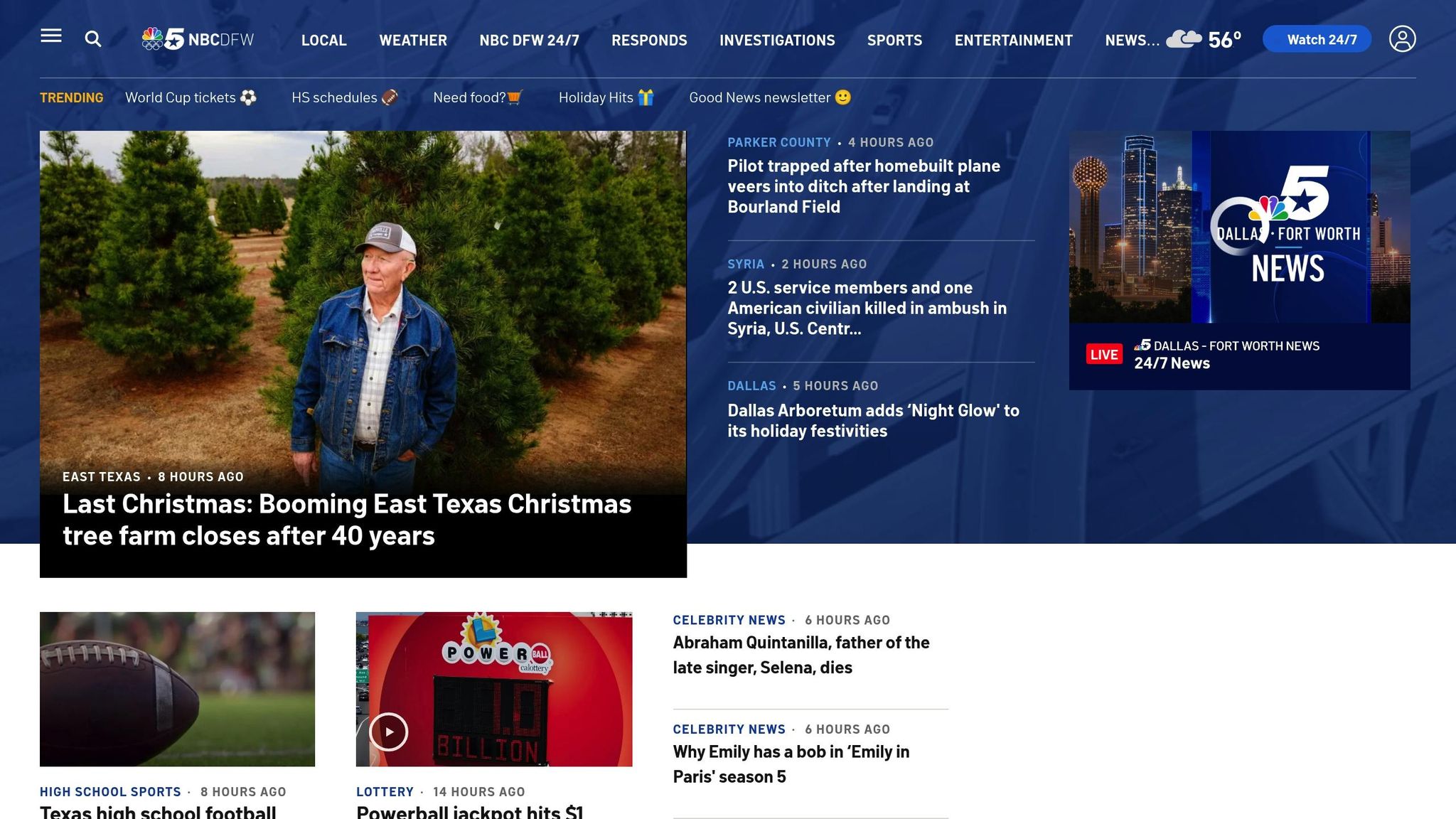
Fort Worth sees decrease in criminal activity | NBCDFW
Fort Worth Crime Statistics for 2025
In the second quarter of 2025, Fort Worth reported a total of 12,392 offenses - a substantial decrease compared to the previous year’s numbers. Below, we’ll break down the data, comparing violent and property crimes while highlighting trends from recent years.
Violent Crime vs. Property Crime in Fort Worth
Both violent and property crimes saw declines, with violent crimes dropping by 16% and property crimes by 14% compared to last year. However, incidents of murder and manslaughter showed a sharp 39% increase. Despite this, the Fort Worth Police Department (FWPD) has maintained an impressive 83% clearance rate for homicides. Tracy Carter, the FWPD public information officer, commented:
Overall, violent crime and property crime rates continue to trend down in Fort Worth; however, gang and gun violence are areas we remain focused on.
This combination of progress and challenges underscores the complexity of addressing crime in the city.
Crime Trends from 2023 to 2025
The reduction in crime can be largely attributed to targeted law enforcement efforts. Initiatives like the #FortWorthSafe program and the support of FW INTEX, which have been in place since 2021, played a key role in driving these improvements.
How Fort Worth Compares to Other Cities
Fort Worth vs. Dallas, Houston, Austin, and San Antonio Crime Rates
A 2025 study by SmartAsset, which analyzed the 50 most populous U.S. cities, placed Fort Worth as the 3rd safest city - far ahead of other major Texas cities. Dallas came in at 18th, Houston at 24th, Austin at 28th, and San Antonio at 29th. Fort Worth reported 0.0137 violent crimes per capita and 0.0349 property crimes per capita. The higher rates of violent crime and roadway fatalities in these other Texas cities hurt their rankings. Additionally, Fort Worth’s rate of drug overdose deaths is 17.9 per 100,000 people, with 18% of adults reporting excessive drinking - factors that further support its strong safety profile.
Fort Worth's National Safety Ranking
Despite being the 11th largest city in the U.S., with a population of 1,008,106, Fort Worth ranks as the 3rd safest large city in the nation, behind only San Jose and Los Angeles. The SmartAsset study assessed safety through five key metrics: violent crime, property crime, traffic fatalities, drug overdose deaths, and excessive drinking. Fort Worth’s traffic fatality rate of 10.8 per 100,000 people played a significant role in its high ranking. Within Texas, only Arlington and El Paso had better traffic fatality rates, ranking 7th and 8th respectively. These comparisons provide a solid foundation for examining safety at the neighborhood level in Fort Worth.
Safe and High-Risk Neighborhoods in Fort Worth
Fort Worth's Safest Neighborhoods
Fort Worth's overall safety grade stands at a D, placing it in the 16th percentile for safety across the U.S. Despite this, certain neighborhoods like Lake of River Trails, Montserrat, and Mira Vista consistently rank as some of the safest places to live in the city, according to 2023 FBI data. These areas report violent crime rates significantly lower than the city's average of 4.9 incidents per 1,000 residents, along with property crime rates well below the citywide average of 26.4 per 1,000 residents.
High-Crime Areas in Fort Worth
While some neighborhoods in Fort Worth offer a sense of security, others face crime rates that far exceed national averages. In 2025, three neighborhoods stand out as particularly high-risk.
- Southside: With a population of 56,682, Southside has a total crime rate that's 176% above the national average. Residents contend with a violent crime rate of 1,121 incidents per 100,000 people, which is 189% higher than the national average. Property crime is also a major concern at 5,353 incidents per 100,000 people.
- Southeast: Home to 59,810 residents, Southeast sees a violent crime rate of 1,042 incidents per 100,000 people. Its total crime rate is 131% above the national average, with robbery being a particularly frequent issue.
- Western Hills-Ridglea: Among its 43,278 residents, Western Hills-Ridglea reports a violent crime rate of 807 incidents per 100,000 people, 139% above the national average. Although the area has seen an 11% reduction in crime, it still struggles with high overall rates.
These neighborhoods often deal with issues like poverty, unemployment, gang activity, and drug-related problems. Safety can vary widely depending on specific blocks, making it essential for residents and visitors to stay informed and cautious.
sbb-itb-6d427fc
How AdensZip Helps You Assess Fort Worth's Safety

Crime Intelligence and Livability Score Features
When it comes to understanding Fort Worth's safety, citywide statistics only tell part of the story. AdensZip takes it a step further by offering localized crime intelligence, breaking down safety data by ZIP code. This allows you to get a clearer picture of safety conditions in specific areas. On top of that, the platform's Livability Score combines crime statistics, climate details, cost of living, and other quality-of-life factors into a single, easy-to-understand metric. This makes it easier to make informed decisions about where to live or travel within Fort Worth.
The Premium Plan also includes AI-generated location summaries. These summaries pull together crime data, job market trends, real estate information, and lifestyle amenities to provide clear, actionable recommendations. Whether you're tracking safety improvements, comparing property values, or evaluating a neighborhood's overall appeal, these reports give you a comprehensive view of what to expect. If you're planning to relocate or invest in Fort Worth, the Premium Plan equips you with the insights you need to make confident, well-informed choices.
Safety Tips for Fort Worth Residents and Visitors
How to Choose a Safe Neighborhood
When picking a neighborhood in Fort Worth, it’s essential to dig deeper than citywide statistics. Crime rates can vary significantly from one street to the next. Tools like AdensZip's crime intelligence provide detailed, ZIP code-specific data to help you pinpoint safer areas before committing to a lease or home purchase.
Beyond crime rates, think about factors like walkability, access to amenities, and the overall sense of community. Safer neighborhoods often have engaged residents, well-lit streets, and a visible police presence. By looking at multiple data points - such as local crime trends, affordability, and proximity to key services - you can get a clearer picture of what to expect. Keeping an eye on neighborhood updates over time can further refine your decision.
Monitoring Crime Trends in Your Area
Staying informed about local crime isn’t a one-time task - it’s an ongoing effort. Regularly check resources like the Fort Worth Police Department's Crime Data Center and local news outlets for updates.
For instance, Crime Stoppers of Tarrant County plays a vital role in community safety. In 2024 alone, they received 4,099 tips that helped clear 661 cases and led to 210 arrests. If you spot suspicious activity, you can report it anonymously by calling 817-469-TIPS, using the P3 Tips mobile app, or dialing 911 in emergencies. As Crime Stoppers of Tarrant County emphasizes:
We want you to feel safe and supported as you help make your community a better place. Every tipster receives a unique tip number for follow-ups, and your identity is never required.
This proactive approach is just as important for visitors navigating Fort Worth’s busy districts as it is for residents.
Safety Practices for Tourists
Visitors to Fort Worth can benefit from staying informed about local safety conditions, especially in popular entertainment areas like downtown, West 7th, and the Stockyards. These districts have seen notable safety improvements in recent years. For example, crime in the West 7th Entertainment District has decreased by 36% over the past three years, with aggravated assaults dropping from 21 in 2022 to just 3 by June 2025. Fort Worth Police public information officer Tracy Carter advises:
If you are downtown, in West 7th, the Stockyards or any of our other entertainment areas, there will be officers nearby - if you don't feel safe or you see something wrong, say something.
To protect yourself and your belongings, keep valuables out of sight, park in well-lit areas, and avoid isolated spots late at night. Before heading out, check the latest safety updates from sources like the Fort Worth Police Department or local news to stay prepared and informed.
Conclusion: Fort Worth's Safety in 2025
Based on the detailed neighborhood breakdowns and comparisons outlined earlier, Fort Worth's safety outlook for 2025 shows encouraging progress. The city now holds the position of 3rd safest among the 50 largest U.S. cities, standing well ahead of other Texas cities like Dallas (18th), Austin (28th), Houston (24th), and San Antonio (29th).
That said, a 39% increase in murder and manslaughter cases highlights ongoing issues, particularly tied to gang activity and gun violence in certain areas. On a positive note, the Fort Worth Police Department has achieved an 83% homicide clearance rate, reflecting their active efforts to tackle these challenges head-on.
For those planning to move to or visit Fort Worth, the city presents a varied safety landscape depending on the neighborhood. Tools like AdensZip's localized crime data can help you better understand these differences and make decisions that align with your safety priorities.
FAQs
How can I check if a neighborhood in Fort Worth is safe?
To gauge how safe a neighborhood in Fort Worth is, begin by checking local crime statistics available on official city or law enforcement websites. Another useful resource is crime mapping tools, which allow you to see recent incidents in particular areas. For a more personal take, consider connecting with neighborhood associations or chatting with local residents and police officers. Using a mix of these resources can provide a well-rounded understanding of the area's safety, helping you make more confident choices.
What causes higher crime rates in some neighborhoods of Fort Worth?
Certain neighborhoods in Fort Worth experience higher crime rates due to a mix of challenges. Key contributors include gang activity, gun violence, and domestic violence, compounded by broader issues like poverty, homelessness, and insufficient access to vital community resources.
Tackling these problems calls for a balanced approach that combines community involvement, better social services, and focused law enforcement initiatives. Together, these efforts aim to create safer, more supportive environments for both residents and visitors.
How does Fort Worth's crime rate compare to other major Texas cities?
Fort Worth stands out as a safer option compared to Dallas, with a crime rate that's 11.5% higher than the Texas state average. In contrast, Dallas's crime rate is much steeper, sitting at 48.9% above the state average.
For those who place safety high on their list of priorities when deciding where to live or visit in Texas, Fort Worth may be the better choice. That said, safety can differ greatly from one neighborhood to another, so it's wise to look into specific areas before making any decisions.